60–90 Minute Behavior Consultation: AVS Accredited Trainer Plan
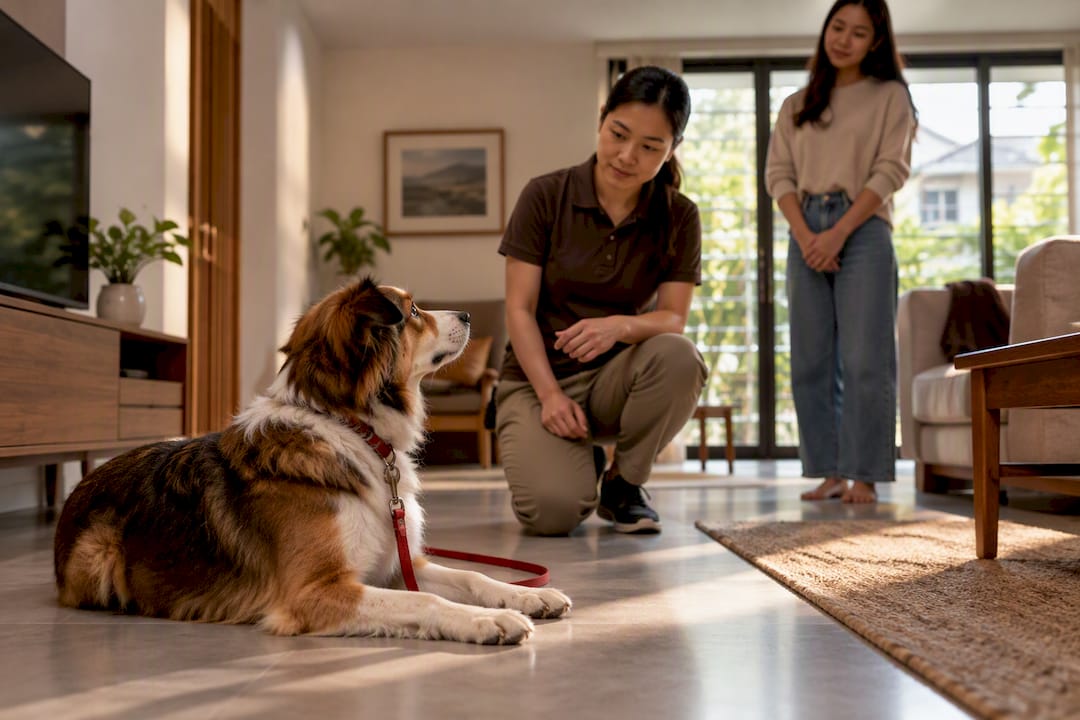
A dog behaviour consultation is a paid, professional assessment that identifies what’s triggering your dog’s aggression, fear, or anxiety, then gives you immediate safety advice and a written, trainer-designed plan. Book one if your dog has bitten, growled at people or other dogs, shows severe fear, or struggles with separation anxiety that’s affecting welfare. If there’s any sign of illness or sudden personality change, see your vet first.
TL;DR:
Most behaviour consultations include a detailed history review, risk assessment, and direct observation, lasting around 60 to 90 minutes, with longer sessions for complex cases.
Owners should bring medical records, video clips of behaviour, and notes on triggers, while ensuring safety and proper labeling of footage.
Techniques used are evidence-based and humane, such as desensitisation, counter-conditioning, and behaviour modification, often pairing training with medication if necessary.
The written plan provides specific exercises, safety rules, and realistic timelines, with follow-up support and progress monitoring scheduled over weeks or months.
Reputable consultants are accredited, have relevant experience, and prioritize ongoing support, avoiding punitive methods and refusing to liaise with vets when medical causes are suspected.
Table of Contents
How to prepare: what to bring, what to film and who should attend
What the consultant assesses and humane methods they may use
After the consult: the written plan, timelines and measuring progress
Choosing a behaviour consultant: credentials, questions to ask and red flags
Author perspective: how our certified trainer approaches consultations
The behaviour consultation process: step-by-step timeline
Most owners picture a single meeting, but a proper behaviour consultation runs across several distinct stages, starting before you even walk through the door.
Intake and history gathering. You’ll usually complete a detailed history form covering when the behaviour started, what triggers it, and how your household has responded so far. Trainers also ask for videos, medical records, and sometimes a temperament questionnaire.
The initial appointment. This is where the real diagnostic work happens. The consultant reviews your history form, carries out a risk assessment, and observes your dog directly, but safely, often from a distance before any closer interaction. Cornell’s Behaviour Medicine Service structures its initial consult around roughly 60 to 90 minutes, which gives enough time to cover history, observation, and a genuine two-way conversation rather than a rushed checklist.
Immediate management advice. Before you leave, you should walk away with practical steps you can apply that same day, things like separating your dog from a trigger, adjusting walking routes, or managing feeding time to reduce resource guarding risk.
Follow-up scheduling. A single session rarely resolves a serious behaviour issue. Expect a plan for remote check-ins, whether by call, message, or video review, alongside occasional in-person reassessments as your dog progresses.
Serious aggression cases sometimes need longer than a standard appointment. One UK-based certified clinical animal behaviourist outlines initial consultations running two to two and a half hours for complex cases, with a year or more of follow-up support built in. The timeline flexes to match the risk, not the other way round.
How to prepare: what to bring, what to film and who should attend
Preparation shapes how much your consultant can achieve in that first appointment. Arrive with the right paperwork and footage, and you save time that would otherwise go towards piecing together your dog’s history from memory.
Bring or send in advance:
Medical history, vaccination records, and a list of current medications
Any existing behaviour history forms your consultant has provided
Short video clips showing the behaviour in its natural context, filmed calmly and never staged to provoke a reaction
Notes on when the behaviour started and any patterns you’ve noticed (time of day, location, specific people or dogs)
When filming, safety comes first. Trainers consistently advise against creating or escalating dangerous situations just to capture footage. Share clips via a cloud link rather than emailing large files, and label them clearly by date and context.
On attendance, invite everyone who lives with the dog day to day, plus any existing trainer already working with your family. Continuity matters, and most consultants welcome a second trainer joining the session rather than starting from scratch.
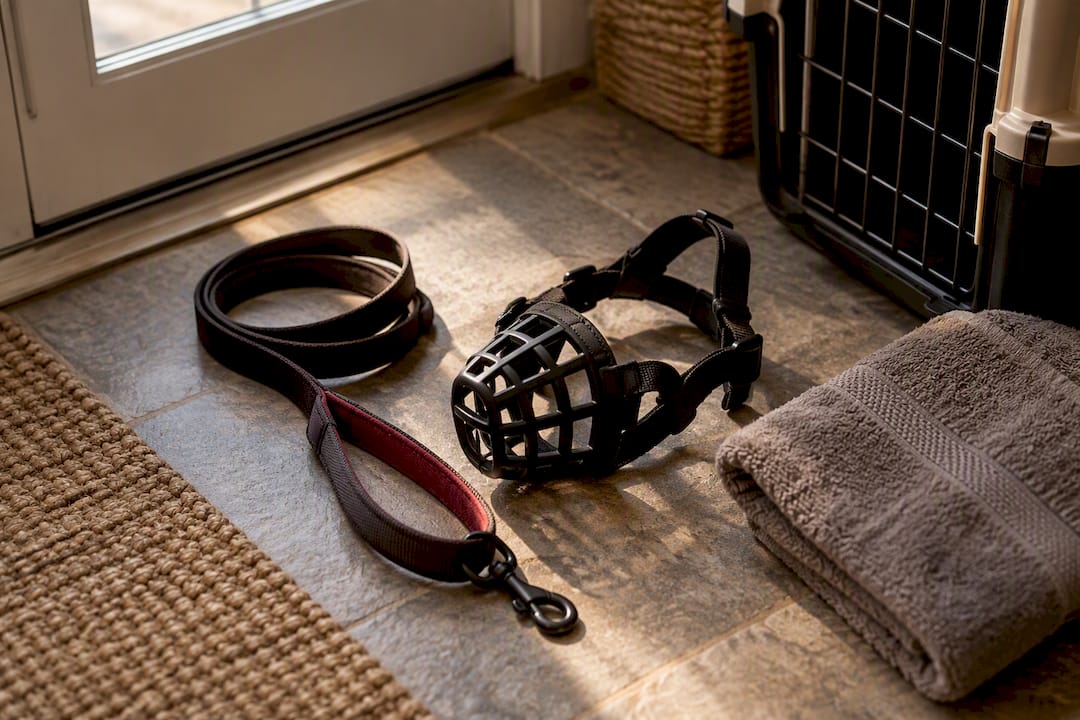
Bring secure leads, a well-fitted muzzle if your dog has shown bite history, and a crate if travel or transitions cause stress.
Pro Tip: Nominate one family member as the point of contact for follow-up communication. Consistency in who reports progress back to your consultant makes it far easier to track what’s actually working.
What the consultant assesses and humane methods they may use
A good consultant looks well beyond the obvious symptom. Fear-based reactivity, frustration, and genuine aggression can look similar from the outside but need different plans.
Medical screening comes first. Pain, thyroid issues, and neurological problems can all masquerade as behaviour problems, so a consultant assessing sudden or unexplained aggression should recommend a veterinary referral before finalising a training plan.
Risk assessment follows closely behind, particularly for aggression cases. Your consultant will look at bite history, warning signs your dog gives before reacting, and the environments where incidents happen, then set immediate management measures to reduce risk while longer-term work continues.
The techniques themselves should be humane and evidence-based, not built on punishment or intimidation. Expect terms like these to come up:
Desensitisation — gradually reducing your dog’s reaction to a trigger by exposing them to it at a low, manageable intensity
Counter-conditioning — pairing a trigger with something positive so your dog’s emotional response shifts over time
CC&D — combined desensitisation and counter-conditioning, often the backbone of a fear or reactivity plan
CAT and BAT — Constructional Aggression Treatment and Behaviour Adjustment Training, both used to teach a dog that calm behaviour, not escalation, gets them what they want, such as distance from a trigger
Medication sometimes enters the conversation, particularly for severe anxiety or panic. It’s rarely offered as a standalone fix. Most consultants pair it with training so the dog is calm enough to actually learn.
After the consult: the written plan, timelines and measuring progress
You should leave with more than verbal advice. A proper written treatment plan sets out clear goals, stepwise exercises, and the management protocols keeping everyone safe while training progresses.
What the plan contains. Specific, sequenced exercises rather than vague advice, plus safety rules for situations that still carry risk.
Realistic timelines. Immediate safety steps often click into place within days. Genuine behavioural change, the kind that changes how your dog reacts long-term, typically takes weeks to months, depending on severity and your consistency at home.
Follow-up rhythm. Expect scheduled check-ins to review what’s working, adjust exercises that aren’t landing, and reassess risk as your dog’s behaviour shifts.
Your role. Keeping a simple log of incidents and progress helps enormously, and flagging setbacks early means your consultant can adjust the plan before small problems grow.
Choosing a behaviour consultant: credentials, questions to ask and red flags
Not every self-described “dog behaviourist” has the training to handle a genuine aggression or severe fear case, so vet your consultant the way you would any other professional.
Look for:
Recognised accreditation (in Singapore, AVS-accredited status is a meaningful marker)
A track record with cases similar to yours, not just basic obedience
A clear commitment to a written plan and ongoing support, not a one-off chat
Questions worth asking before you book: What methods do you use? Will I receive a written plan? What does follow-up support look like, and for how long? What happens in an emergency between sessions? What’s included in your fee?
Red flags to walk away from: reliance on punitive tools like shock or prong collars, no written plan offered, no follow-up structure, or a refusal to liaise with your vet when medical causes are possible. A trainer who prefers to coach you directly, rather than simply “fix” the dog while you watch, tends to deliver more durable results.
Author perspective: how our certified trainer approaches consultations
Twenty years of working with reactive, fearful, and aggressive dogs teaches you that the plan matters more than the personality of the trainer delivering it. Our AVS-accredited trainer builds each consultation around CC&D and CAT/BAT protocols, adjusted case by case, because rigid templates fail dogs with genuinely different triggers. Every client also gets free lifetime support, which in practice means you can message us months after your last session when a new trigger appears, not just during an official follow-up window.
— Mark
Book a consultation with Happy-dogtraining
Happy-dogtraining backs its behaviour work with over 20 years of hands-on experience and free lifetime support, so the plan you leave with doesn’t expire after one appointment. If your dog shows aggression toward people or other dogs, our Aggressive Behaviour Consult runs $200 to $250 per session and includes a full risk assessment plus a written plan.
For fear-based reactivity, our Fearful Dog Classes apply the same CC&D groundwork covered above, with pricing available on request. Owners working through general obedience gaps alongside a behaviour issue often pair a consult with our Private Obedience Dog Training Classes, priced at $200 per class, while dogs needing more intensive, structured time away from home can move into Board & Train from $700 per week. Get in touch through our site to book the option that matches your dog’s assessment, and we’ll walk you through next steps from there.
Sources
The clinical and practitioner resources behind this article’s process breakdown are worth reading directly if you want to prepare specific questions before your own appointment. Cornell’s Behaviour Medicine Service explains how veterinary teaching hospitals structure initial consultations and follow-ups. About Dogs LLC’s consultation guide covers the paperwork and video preparation most practitioners now expect. For a detailed look at how serious cases are handled in a clinical behaviourist setting, Alison Scott’s consultation process page sets out realistic timelines for extended support.
FAQ
How much does a dog behaviour consultation cost?
Pricing varies by provider and case complexity. Happy-dogtraining’s Aggressive Behaviour Consult is priced at $200 to $250 per session, while other services such as Fearful Dog Classes have pricing available on request.
How long does a behaviour consultation take?
Initial consultations commonly run between 60 and 90 minutes, though complex aggression cases can take longer. Many practitioners also schedule a shorter follow-up appointment afterwards.
What should I bring to a dog behaviour consultation?
Bring medical records, vaccination proof, and any medication list, along with short video clips showing the behaviour in context. Written history forms, completed in advance, help your consultant assess triggers more accurately during the appointment itself.
Do I get a written plan after the consultation?
Yes, a thorough consultation should end with a written treatment plan covering goals, stepwise exercises, and safety protocols. Happy-dogtraining includes a written plan alongside free lifetime support for ongoing adjustments.
How long before I see improvement in my dog’s behaviour?
Immediate safety and management steps often take effect within days of the consultation. Lasting behavioural change typically takes weeks to months, depending on the severity of the issue and your consistency at home.
Recommended
Comments