Dog training tools for home use: a practical guide
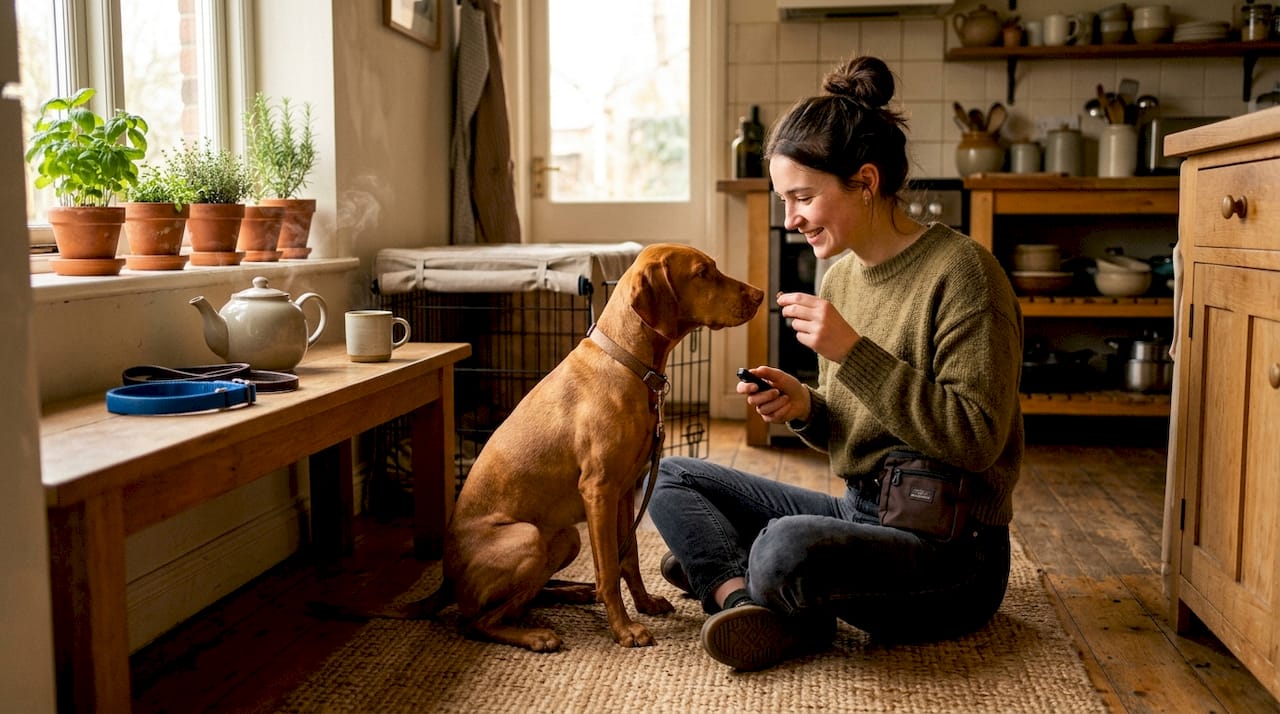
The most effective dog training tools for home use are those that support positive reinforcement, clear communication, and your dog’s safety. Organisations such as The Kennel Club and the American Kennel Club recommend reward-based training as the foundation of good behaviour. The right equipment does not need to be expensive or complex. Whether you are addressing excessive barking, poor recall, or destructive chewing, the correct tools make the process calmer, faster, and far more enjoyable for both you and your dog.
1. What are the essential dog training tools every home trainer should have?
The best home dog training tools are those that communicate expectations clearly and reward good behaviour promptly. A well-fitted lead, collar, and high-value treats are the three items no home trainer should be without. They allow you to signal expectations consistently during every session.
Here are the core items to have ready before you begin:
Collar and lead. A flat collar with an ID tag and a standard 1.2-metre lead give you control without causing discomfort. Choose a harness if your dog pulls heavily, as it reduces pressure on the neck.
Crate. Crates help establish reliable potty routines by working with your dog’s natural instinct to keep their sleeping area clean. This makes house training significantly faster for puppies.
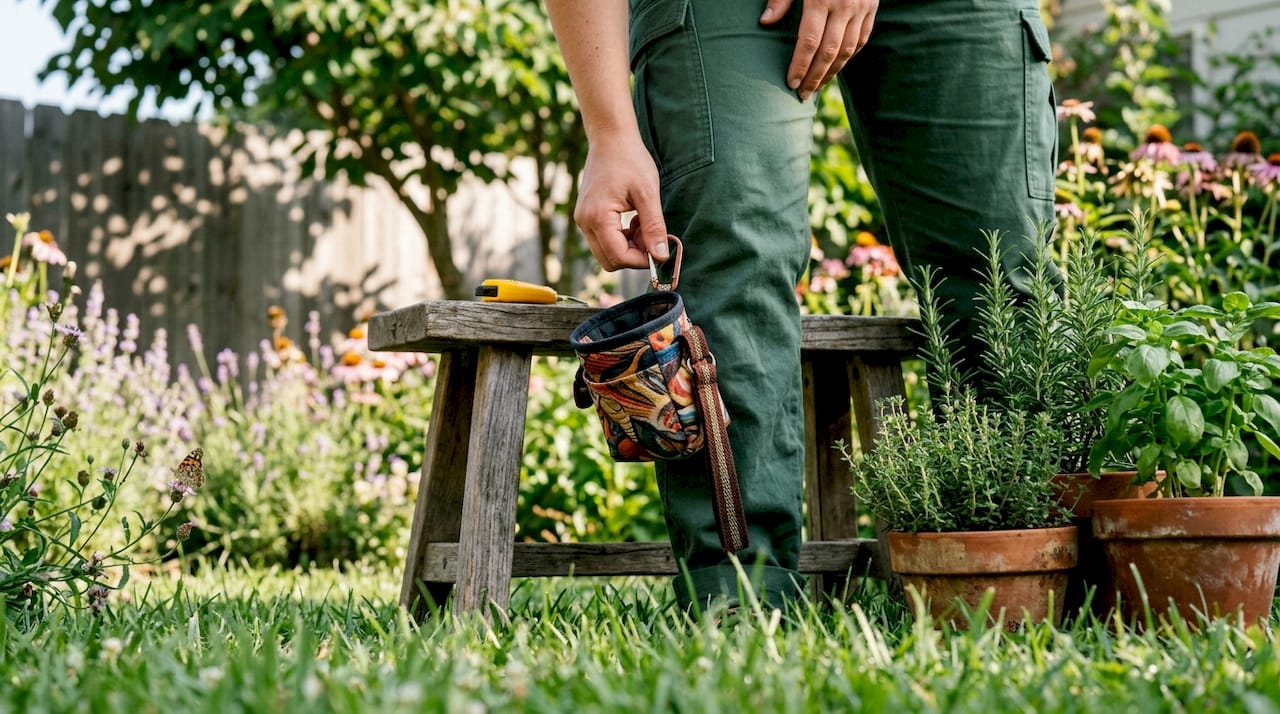
Clicker and treat pouch. A clicker marks the exact moment your dog does something right. A treat pouch worn on your hip gives you quick access to rewards, which improves timing accuracy and speeds up learning.
High-value treats. Small, soft treats such as cooked chicken or cheese work best. They are easy to deliver quickly and motivating enough to hold your dog’s attention.
Ultrasonic bark control device. Devices like QuietPaw offer a humane, shock-free way to manage excessive barking. They operate at up to 15 metres and weigh approximately 150g, making them practical for both indoor and outdoor use.
Pro Tip: Start with a clicker and a treat pouch before adding any other equipment. Mastering these two tools first builds the communication foundation that makes every other tool more effective.
For puppy training at home, the crate and treat pouch are your two most important starting points.
2. How do specific tools help manage common behavioural issues?
Different behavioural problems call for different equipment. Matching the right tool to the right issue prevents frustration and keeps training positive.
Excessive barking. Ultrasonic devices emit a sound only dogs can hear, interrupting the barking cycle without punishment. This is a humane alternative to spray collars or shock devices.
Poor recall. A 20-foot check cord is the most effective tool for recall training. It gives your dog enough freedom to move naturally while keeping you in control. Standard short leads restrict movement and can actually hinder recall success.
Destructive chewing. Chew deterrent sprays applied to furniture, combined with durable chew toys, redirect your dog’s energy towards acceptable outlets. The key is consistency: every time your dog chews the wrong item, redirect them immediately to the right one.
Boundary issues. Gates and training mats control your dog’s access to certain areas of the home. They keep dogs focused during training and safe when supervision is limited.
Pro Tip: When using a check cord for recall, always call your dog in a happy, upbeat voice. If you sound frustrated, your dog will associate coming to you with a negative experience.
Setting up a consistent training environment at home makes these tools significantly more effective. Dogs learn faster when the space and routine are predictable.
3. What innovative tools enhance cognitive engagement at home?
Mental stimulation is just as important as physical exercise. Modern home training kits now include tools that go well beyond basic obedience, targeting your dog’s cognitive skills and natural instincts.
Scent kits. Scent kits tap into dogs’ natural foraging instincts and provide genuine mental enrichment. They are available as DIY sets or pre-assembled kits, making them suitable for all training levels. A 20-minute scent session can tire a dog as effectively as a long walk.
Talking buttons. Recordable sound buttons allow dogs to communicate basic needs and preferences. They promote advanced cognitive engagement and strengthen the bond between dog and owner. Several owners report that dogs learn to use them within a few weeks of consistent exposure.
Agility equipment. Compact agility sets, including weave poles, tunnels, and low jumps, fit into most gardens or living rooms. They build obedience, physical fitness, and confidence simultaneously.
Puzzle feeders. Slow feeders and puzzle toys make mealtimes a training opportunity. They slow eating, reduce boredom, and encourage problem-solving behaviour.
For ideas on building a home training routine that incorporates these tools, a structured weekly plan helps dogs progress steadily without becoming overwhelmed.
4. How to choose the right tools based on your dog’s temperament
Selecting dog training equipment for beginners and experienced owners alike starts with one question: what does your dog actually need? Choosing gear suited to your dog’s temperament avoids overcomplicating the process and sets both of you up for success.
Assess your dog’s size and age. A large, strong breed needs a sturdier harness and a longer check cord. A small puppy needs a lightweight collar and a soft, low-distraction environment.
Identify the primary behavioural challenge. If recall is the main issue, prioritise a check cord and high-value treats. If barking is the problem, an ultrasonic device is the logical starting point.
Start simple. Beginners should begin with a collar, lead, clicker, and treats. Adding too many tools at once confuses both the dog and the owner.
Introduce advanced tools gradually. Scent kits and talking buttons work best once your dog has a foundation of basic obedience. Introducing them too early can create frustration rather than engagement.
Match the tool to the training goal. Working breeds and high-energy dogs benefit from agility equipment and scent work. Calmer breeds may respond better to puzzle feeders and mat training.
Pro Tip: Read your dog’s body language before and after introducing a new tool. Relaxed ears, a loose body, and a wagging tail signal comfort. Stiff posture or avoidance signals that the tool needs to be introduced more gradually.
A detailed guide on training by temperament can help you narrow down the right equipment profile for your specific dog.
5. Practical tips for integrating tools into your daily home routine
Owning the right equipment is only half the work. How you use it determines whether training succeeds or stalls.
Time your clicker precisely. Clicker timing must mark the exact moment the correct behaviour occurs. A delay of even one second can confuse your dog about what they are being rewarded for. Practise clicking at the right moment before adding treats to the sequence.
Keep sessions short. Five to ten minutes per session, two or three times a day, produces better results than one long session. Dogs lose focus quickly, especially puppies.
Set up a dedicated training space. Use a gate or training mat to define the area. This signals to your dog that focused work is about to begin.
Clean your equipment regularly. Treat pouches, leads, and mats accumulate bacteria and odours. Wash fabric items weekly and wipe down plastic tools with a pet-safe cleaner.
Observe and adjust. If a tool is not producing results within two to three weeks of consistent use, reassess. The issue may be timing, the treat value, or a mismatch between the tool and your dog’s temperament.
Avoid common mistakes. The most frequent error owners make is rewarding too late. The second most common is using too many tools at once, which dilutes focus and slows progress.
For guidance on troubleshooting training setbacks, a structured review of your current tools and timing often reveals the fix quickly.
Key takeaways
The most effective approach to home dog training combines the right tools, precise timing, and a clear understanding of your dog’s individual temperament.
Point | Details |
Start with the basics | A collar, lead, clicker, and high-value treats form the foundation of all home training. |
Match tools to temperament | Puppies, large breeds, and anxious dogs each need a different equipment profile. |
Timing is everything | A clicker must mark the correct behaviour instantly; delays cause confusion and slow learning. |
Mental stimulation matters | Scent kits, puzzle feeders, and talking buttons support cognitive health alongside obedience. |
Consistency beats quantity | Short, frequent sessions with the same tools produce faster results than long, irregular ones. |
What I have learned after years of watching owners train at home
The most common mistake I see is not choosing the wrong tool. It is choosing the right tool and using it at the wrong moment. A clicker is one of the most powerful training aids available, but I have watched owners click three seconds too late and then wonder why their dog is confused. The tool is not the problem. The timing is.
The second thing I have noticed is that owners tend to overcomplicate things early. They buy agility equipment, scent kits, and talking buttons before their dog can reliably sit on command. There is a logical order to this. Build the basics first. Once your dog understands that good behaviour produces good things, every advanced tool becomes far easier to introduce.
Humane, reward-based equipment consistently produces the best long-term results. Dogs trained with kindness and consistency are more confident, more responsive, and genuinely happier. That is not sentiment. It is what the science and the experience both show. If you are unsure where to start, keep it simple: one lead, one clicker, one treat pouch, and your full attention for five minutes a day. That combination outperforms any gadget on the market.
— Mark
How Happy-dogtraining can support your home training
Getting the tools right is a strong start. Knowing how to use them with confidence is what produces lasting change.

Happy-dogtraining brings over 20 years of experience in humane, science-based dog training to owners across Singapore. Whether your dog struggles with obedience, reactive behaviour, fearfulness, or aggression, the team offers personalised training programmes tailored to your dog’s specific needs and temperament. For owners dealing with more serious behavioural challenges, the AVS-accredited intensive obedience programme provides structured, expert-led support. Every client receives free lifetime support after training, so you are never left to figure things out alone.
FAQ
What are the most important dog training tools for beginners?
A flat collar, a standard lead, a clicker, and high-value treats are the four items every beginner needs. These tools cover the basics of communication, control, and reward-based training.
How does a clicker improve dog training at home?
A clicker marks the exact moment your dog performs the correct behaviour, making it clear what earns the reward. Precise timing is critical; even a one-second delay can slow learning and cause confusion.
Are crates suitable for all dogs?
Crates work well for most dogs, particularly puppies, because they use the dog’s natural instinct to keep their sleeping area clean. Introduce the crate gradually with positive associations rather than using it as a form of confinement.
What is a check cord and when should I use it?
A check cord is a long training lead, typically around 20 feet, used for recall training. It gives your dog freedom to move naturally while keeping you in control, which short leads cannot provide.
How do I know if a training tool is right for my dog?
Watch your dog’s body language when you introduce any new tool. Relaxed posture and engagement signal comfort, while avoidance or stiffness suggest the tool needs to be introduced more slowly or replaced with something better suited to your dog’s temperament.
Recommended
Comments