Exploring Effective Happy Dog Training Methods in Singapore
- Mark McDade
- May 29
- 3 min read

Training a dog can be a joyful experience when you use the right methods. Every dog owner wants a well-behaved, happy dog that listens and enjoys learning. But how do you make training effective and fun? In this post, I’ll share practical tips and proven techniques to help you train your dog with kindness and success. I’ll also introduce a couple of helpful products that can support your journey.
Why Positive Training Works Best
Dogs respond well to kindness and clear communication. Positive training focuses on rewarding good behaviour instead of punishing mistakes. This approach builds trust and encourages your dog to repeat the behaviours you want.
Positive training helps your dog feel safe and confident. It reduces stress and makes learning enjoyable. For example, using treats, praise, or playtime as rewards motivates your dog to pay attention and cooperate.
In Singapore’s busy city environment, where distractions are many, positive training helps your dog stay focused and calm. It also strengthens the bond between you and your furry friend.
Key Techniques for Happy Dog Training
Here are some simple but effective techniques you can use:
Marker Training
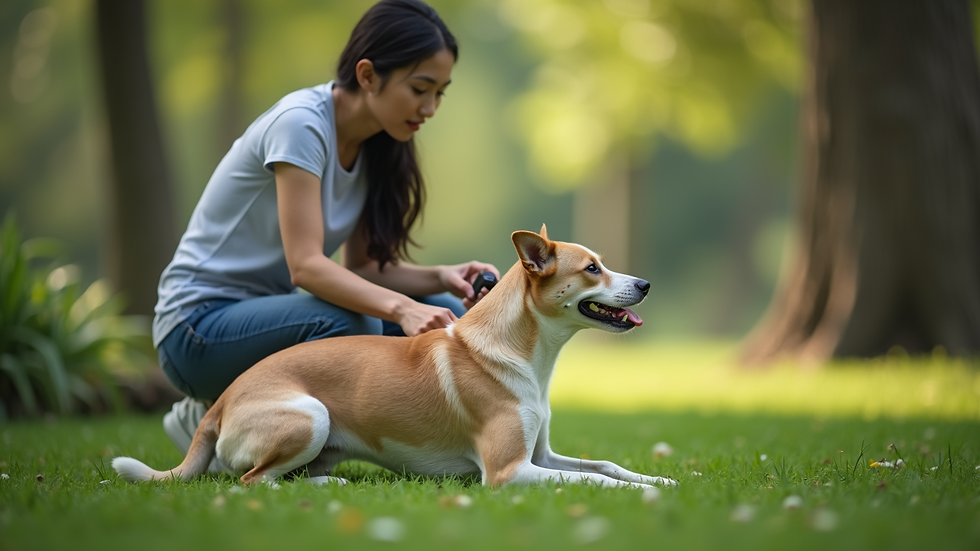
This method uses noise verbal or a small device that makes a clicking sound to mark the exact moment your dog does something right. The marker is followed by a reward. It helps your dog understand what behaviour you want quickly.
Reward-Based Training
Always reward good behaviour immediately. Use treats, toys, or affection. This makes your dog want to repeat the behaviour.
Consistency
Use the same commands and signals every time. Consistency helps your dog learn faster and avoid confusion.
Short Sessions
Keep training sessions short and fun, about 5 to 10 minutes. Dogs learn better in small bursts.
Patience and Calmness
Stay calm and patient. Dogs can sense frustration, which can slow down learning.
Building a Routine That Works
Dogs thrive on routine. Setting a regular training schedule helps your dog know what to expect. Try to train at the same time each day, preferably when your dog is alert but not too excited.
Start with basic commands like “sit,” “stay,” and “come.” Once your dog master's these, you can move on to more advanced skills.
Remember to mix training with play and rest. This balance keeps your dog happy and eager to learn.
Socialising Your Dog
Training isn’t just about commands. Socialising your dog with other dogs and people is important. It helps your dog behave well in public and reduces fear or aggression.
Take your dog to dog-friendly parks or join local dog training groups. This gives your dog a chance to practice good manners in real situations.
How to Handle Common Challenges
Training can be tricky sometimes. Here are solutions to common problems:
Dog Doesn’t Listen
Make sure you have your dog’s full attention before giving commands. Use treats or toys to keep focus.
Dog Gets Distracted
Start training in a quiet place. Gradually add distractions as your dog improves.
Dog Shows Fear or Anxiety
Use gentle encouragement and avoid forcing your dog. Take breaks and try again later.
Why Choose Humane Training Services in Singapore
If you want expert help, consider professional training services that use kind, effective methods. For example, Happy-Dog Training offers personalised coaching and ongoing support for dog owners in Singapore. They focus on building happy dogs and confident owners through proven techniques.
Using professional services can save time and reduce frustration. Trainers can spot issues early and guide you with the best strategies.

Training your dog with kindness and consistency leads to great results. Using tools like a smart treat dispenser can make the process smoother. Remember to keep sessions short, reward good behaviour, and build a routine.
If you want to explore more about happy-dog training methods, check out this helpful guide. It offers practical advice tailored for dog owners in Singapore.
Start today, and enjoy the journey of raising a well-behaved, happy dog that loves to learn. Your dog will thank you with wagging tails and joyful moments.
Happy-dog training!
Comments