How dogs learn from environment: practical steps for owners
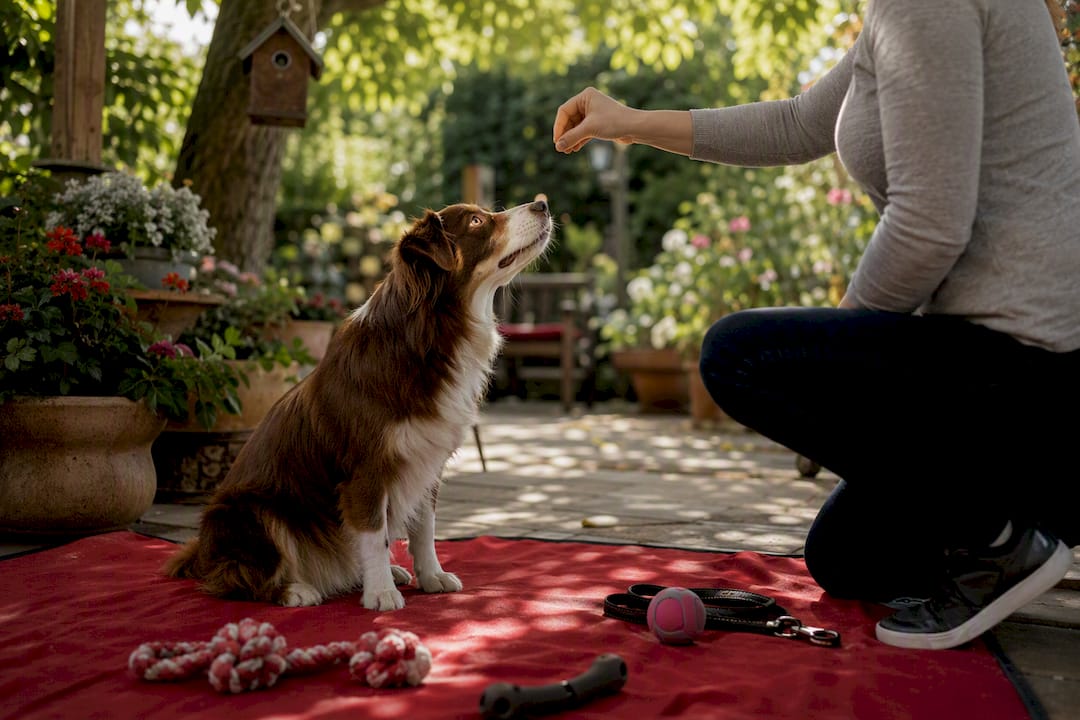
Dogs learn by encoding environmental features, such as sounds, smells, body positions, and context, into the cues that trigger behaviour. This is how dogs learn from environment: their brains treat surroundings as part of the lesson, not just backdrop. Every training moment blends together with what’s physically present, what’s happening socially, and how calm or wound-up your dog feels inside.
Three environments shape this process at once:
Physical: the room, the smells, the lighting, the surfaces underfoot
Social: who’s present, their posture, tone, and behaviour
Internal: your dog’s arousal level, stress hormones, and readiness to focus
Miss any one of these, and training that looked solid at the club can fall apart at home.
Key Takeaways
Dogs learn by encoding environmental sounds, smells, postures, and context directly into the cues that trigger their behaviour, which is why context-specific training and calm, structured surroundings matter more than repetition alone.
Point | Details |
Environment is part of the cue | Sounds, smells, surfaces, and posture get learned alongside the command itself. |
Arousal caps learning | High stress or excitement reduces a dog’s capacity for new, complex learning. |
Sensitive period is 3 to 20 weeks | Early exposures during this window shape lifelong reactions most powerfully. |
Breed changes learning style | Cooperative breeds favour human cues; independent breeds often learn better from other dogs. |
Professional plans work faster | Happy-dogtraining builds environment-specific behaviour plans with free lifetime support after training. |
Table of Contents
How dogs learn: classical, operant, and social learning
Classical conditioning happens when a neutral event becomes meaningful through repetition. A doorbell means nothing to a puppy until it’s paired with visitors, excitement, or a stranger’s voice. After enough repeats, the sound alone triggers the same anxious energy, whether or not anyone is actually coming.
Operant conditioning works differently: your dog’s own actions produce consequences that shape what happens next. Sit earns a treat, so sitting increases. Jumping gets attention (even negative attention counts), so jumping increases too. Reinforcement schedules matter here. Rewarding every single correct response builds a behaviour fastest, but occasional, unpredictable rewards make it far more resistant to fading once you cut back.
Social or observational learning is the third piece, and it’s often overlooked. Dogs watch other dogs, and they watch you. Puppies as young as eight weeks can pick up new responses just from watching a calm demonstrator dog, which is why introducing a nervous rescue to a settled household dog often works faster than any verbal cue.
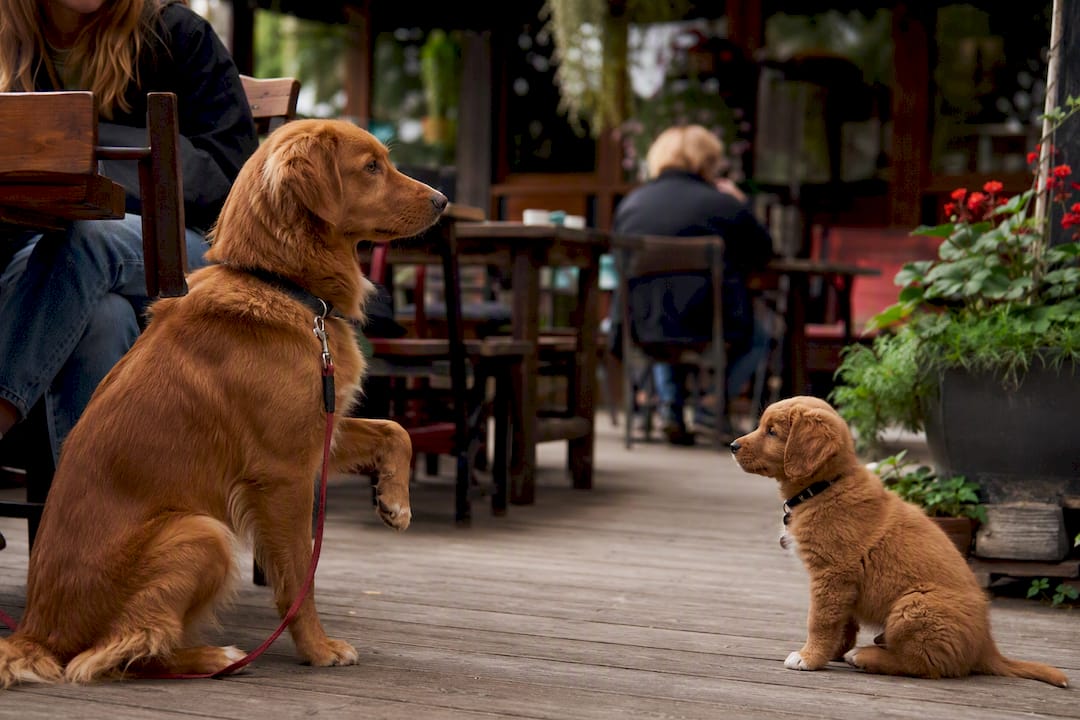
Pro Tip: When proofing a new command, deliberately mix all three modes. Reward the behaviour (operant), practise near a trigger you’re neutralising (classical), and let your dog watch a confident dog perform it first (social).
Which environmental features dogs encode and why context matters
Dogs don’t just learn “sit.” They learn “sit, on this floor, near this smell, with this posture from you, at roughly this time of day.” That’s context specificity, and it explains a huge share of the frustration owners report.
Elements typically bundled into the learned cue include:
Surface type and floor texture
Background smells and other animals’ scent trails
Ambient sound and lighting
Your body posture, position, and even which hand signals a reward
This is why a dog that sits beautifully at a training club can look blank in the kitchen. The room changed, so part of the “cue” is missing. Environmental modification that accounts for these encoded details, rather than assuming a behaviour will transfer automatically, is central to lasting results according to veterinary behaviour guidance.
Pro Tip: Practise the same cue in five different rooms, at different times, wearing different clothes. You’re teaching your dog the command means the same thing everywhere, not just in one context.
How arousal and distractions block learning
A stressed or overexcited dog has a genuinely reduced capacity for complex learning. This isn’t stubbornness. Elevated stress hormones interfere with the same neural processes needed to form new associations, a point well established in behaviour modification literature.
Busy environments compound the problem. Too many competing sights and sounds fragment attention, and every failed attempt at focus can rehearse the very reaction you’re trying to avoid, such as barking or lunging.
Adjustments that help immediately:
Lower background noise and reduce visual clutter during sessions
Train when your dog is naturally calmer (after exercise, before mealtimes)
Shorten sessions the moment focus drops
Pro Tip: Watch for lip licking, yawning, or a tucked tail. These often appear before obvious signs like barking, giving you a chance to step back before arousal spikes.
Sensitive periods: why early environment matters so much
Puppies pass through a sensitive socialisation window, roughly 3 to 20 weeks old, when exposures shape lifelong reactions far more powerfully than they will later. What a puppy meets calmly during this stretch tends to stay unthreatening for life.
Priority exposures during this window include:
Different types of people (children, hats, uniforms, beards)
Varied surfaces (grass, tile, metal grates, gravel)
Other vaccinated, friendly dogs
Everyday sounds (vacuums, traffic, thunder recordings played quietly)
If that window has already passed, don’t panic. Older and rescued dogs can still adjust meaningfully, though the process is usually slower and needs more deliberate, structured pairing with positive experiences.
Breed history and temperament may influence learning style
Selective breeding didn’t just shape how dogs look. It changed how they pay attention. Research comparing breed groups found that dogs bred for independent, functional work learn better from watching another dog, while dogs bred for close cooperative work with people default to reading human cues instead.
That gap plays out at home constantly. A working-line herding dog may fixate on your hand signals, while a scent hound bred for independent hunting decisions may learn faster from a demonstrator dog than from you. Individual history within any breed still matters just as much as the label.
Practical steps to make your environment teach the behaviour
Set up your space to work for you, not against you:
Remove or block access to whatever triggers the unwanted behaviour
Keep a consistent routine for feeding, walks, and rest
Reserve one calm space where nothing stressful ever happens
Once a behaviour is solid in one context, transfer it deliberately:
Practise in the original training spot until reliable
Move to a new room with the same cues and rewards
Add mild distraction (another person, quiet TV)
Test outdoors, then in busier, less predictable settings
For noise or object fears, pair a very faint version of the trigger with something your dog loves, then increase intensity gradually only once your dog stays relaxed at each stage. This desensitisation and counter-conditioning approach, described in detail in fearful dog behaviour plans, works far better than flooding a dog with the full-strength trigger.
Pro Tip: For an anxious dog, let it observe a settled, confident dog handling the same trigger from a safe distance first. Passive observation can shortcut weeks of solo desensitisation.
How long dog training usually takes
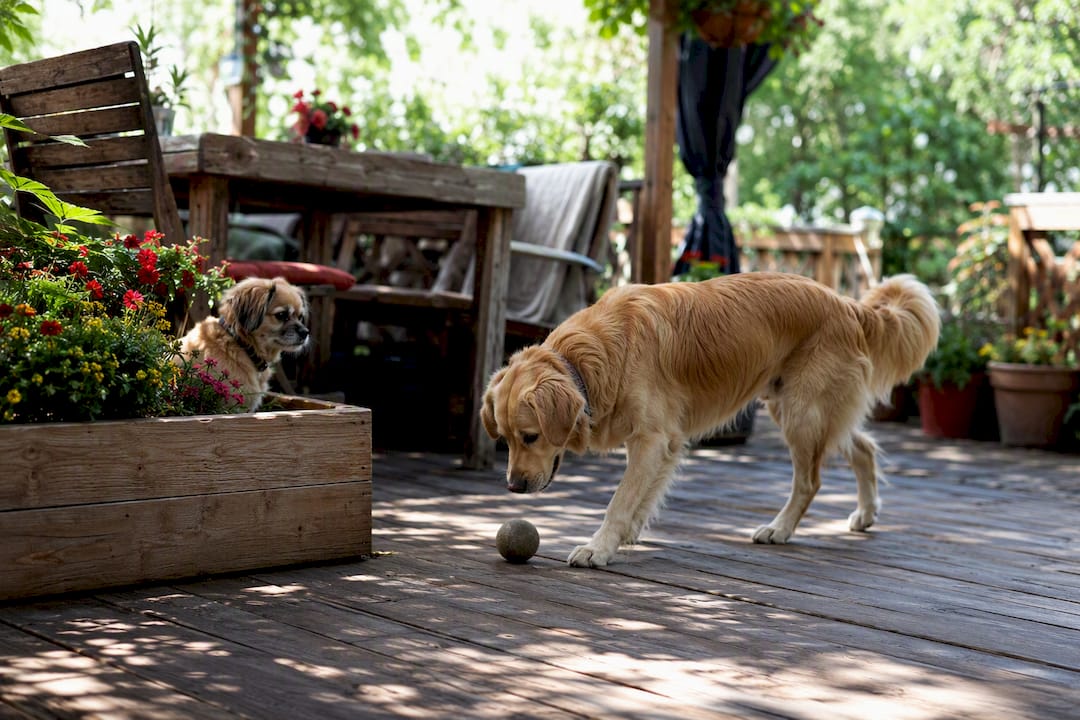
Simple cues like sit or touch usually click within a few weeks with consistent reward-based repetition. Complex behaviours, recall around distractions, or full generalisation across contexts, typically take weeks to several months, especially since repeated exposure improves learning gradually rather than overnight.
Track genuine progress, not just good days:
Reliable response in at least two different rooms
Holding focus with mild, planned distraction present
Recall: usually 2 to 6 weeks for a dependable start
Doorbell desensitisation typically requires several weeks of short sessions
Loose-lead walking: commonly 1 to 3 months to feel automatic
When to bring in a trainer or behaviourist
Some situations need more than home adjustments. Book a professional if you see:
Any bite, bite attempt, or escalating growling around people or dogs
Fear so severe it stops daily walks or vet visits
Separation anxiety involving self-injury or destruction
A qualified behaviourist offers a functional assessment most owners can’t do alone, pinpointing exactly what in the environment maintains the problem, then builds a targeted plan and refers to a vet for medication if the case warrants it. Bring notes on when the behaviour started and what precedes it.
What the research actually tells owners
A few findings carry real weight for everyday training decisions. Chronic household unpredictability keeps arousal chronically elevated, which quietly caps how much a dog can learn day to day. Rescued dogs often show separation problems early on, but living alongside a settled companion dog can ease that adjustment.
Social learning research also shows dogs aren’t indiscriminate copiers. They tend to copy demonstrators strategically, favouring a successful model over random trial and error, which is exactly why a well-chosen demonstrator dog earns its place in a training plan.
A trainer’s honest observation
What I see repeatedly is that fixing the environment fixes the behaviour faster than any single command ever does. Try the checklist above, and reach out if you get stuck.
How Happy-dogtraining turns this science into results
Reading about arousal limits and sensitive periods is one thing. Applying it to your own living room, with your own dog’s specific triggers, is another. Happy-dogtraining builds environment-first plans around exactly the mechanisms covered above, rather than handing you a generic command sheet that ignores where and how your dog actually lives.

Depending on what you’re dealing with, that might mean a focused behaviour consultation to map the physical and social triggers in your home, a structured programme for a fearful or anxious dog, or an AVS-approved intensive obedience course if you want faster, hands-on progress with a certified trainer guiding the environmental setup at every stage. Every plan comes with free lifetime support afterwards, so questions that pop up months later still get answered. If your dog’s behaviour looks different at home than anywhere else, book a consultation and let a trainer map out why.
Frequently asked questions
How do dogs learn from environment exactly? Dogs bundle sensory details, sounds, smells, surfaces, your posture, into the same mental package as the command itself, so the surroundings become part of what triggers the behaviour.
Why does my dog obey at the training club but not at home? The learned cue includes context. Different flooring, smells, and layout mean your dog may not yet recognise the command as the “same” cue in a new setting.
Can older dogs still learn from new environments? Yes. The 3 to 20 week window is when exposures are most formative, but older and rescued dogs can still adjust with slower, more deliberate positive pairing.
Does breed affect how a dog learns from watching others? Yes. Dogs bred for independent work often learn better from watching another dog, while cooperative breeds tend to default to reading human cues instead.
Sources
Understanding How Dogs Learn: Importance in Training and Behaviour Modification - WSAVA2006 - VIN
Independent, but still observant—dog breeds selected for functional independence learn better from a conspecific demonstrator than cooperative breeds in a detour task | BMC Biology | Springer Nature
Recommended
Comments