Prong collar risks for dog owners: welfare evidence and safer options

Prong collars carry real physical and behavioural risks, and no major welfare body recommends them as a first-line training tool. Studies point to documented injuries and increased fear or reactivity, while organisations including the RSPCA and NSPCA advise against routine use. If your dog wears one now, stop prolonged use, check for hidden wounds, and speak to a qualified trainer or vet.
TL;DR:
Improper sizing and prolonged wear of prong collars can cause skin abrasions, puncture wounds, nerve damage, and airway injuries in dogs.
Painful corrections from prong collars increase fear and reactivity, often reinforcing unwanted behaviors like aggression, rather than addressing underlying causes.
Limited scientific evidence shows that prong collars may reduce pulling through discomfort avoidance, but they pose broad welfare risks and inconsistent behavior improvements.
Safer alternatives include front-clip harnesses, head halters, and reward-based training methods that promote long-term obedience without physical harm.
Immediate steps include removing a prong collar, inspecting for injury, switching to humane equipment, and seeking professional training support for behavior modification.
Table of Contents
What prong (pinch) collars are and how they work
A prong collar is a metal chain of interlocking links, each fitted with blunt prongs that face inward against the dog’s neck. When the leash pulls taut, the collar tightens and the prongs press into the skin, creating a pinching sensation designed to interrupt pulling or lunging.
Owners often turn to prong collars because they promise fast results. The logic goes like this: the dog pulls, feels discomfort, and stops pulling. For a large, strong dog dragging its handler down the street, that quick fix can feel like the only workable option in the moment. It’s an understandable instinct, but it’s built on suppressing a behaviour rather than teaching a better one.
The gap between how these collars are marketed and how they’re actually used in back gardens and pavements is where most harm happens.
Wrong sizing is common, leaving prongs sitting too loose or too tight against the throat.
Prolonged wear, including leaving the collar on outside training sessions, extends pressure exposure far beyond intended use.
Sharp handler jerks, rather than gentle leash pressure, multiply the force delivered through the prongs.
Fitting over thick or curly coats can hide slippage that owners never notice.
Physical risks and injuries associated with prong collars
The RSPCA documents a troubling range of injuries linked to prong collars, and the list goes well beyond minor irritation. Reported harm includes skin abrasions, puncture wounds, nerve damage, and injury to the thyroid and salivary glands. In severe cases, dogs have suffered damage to the larynx, oesophagus and trachea, along with acute swelling of the head and even temporary blindness from pressure and trauma around the neck and skull.
What can go wrong:
Skin trauma. Repeated pinching from ill fitted prongs causes abrasions that can become infected if left unchecked.
Puncture wounds. Sharp corrections or a poorly sized collar can drive prongs through the skin, particularly on dogs with thin coats.
Nerve and gland damage. Pressure concentrated around the throat can affect nerves, the thyroid, and salivary glands, sometimes with delayed symptoms.
Airway and cervical injury. Sudden jerks or sustained pressure risk the trachea, larynx and, in the worst cases, cervical spine trauma.
Hidden infection. Small puncture sites under fur often go unnoticed until swelling, discharge or a foul smell signals infection has already set in.
That last point matters more than owners tend to realise. A dog’s coat is remarkably good at concealing early damage. A wound the size of a pinhead can sit undetected for days before it turns into a painful abscess. The RSPCA’s own case reports describe lesions discovered only after infection had already taken hold, which is why routine checks matter far more with a prong collar than with a standard flat collar.
Watch for persistent licking or scratching at the neck, visible swelling, discharge, a change in bark or breathing sound, or reluctance to have the collar touched. Any of these signs warrants a vet visit, not a wait and see approach.
Behavioural harms: stress, fear and unintended outcomes
Pain based tools don’t just risk the body. They shape how a dog feels about the world around it, and not for the better. Research cited by the RSPCA’s knowledgebase links punishment-based training, including prong collar use, with increased fear, anxiety, and a higher risk of aggression toward both family members and strangers.
Here’s the mechanism behind that finding. A prong collar doesn’t teach a dog what to do instead of pulling. It simply makes pulling uncomfortable, which suppresses the behaviour in that moment without replacing it with a taught alternative. Suppression and learning are not the same thing, and the difference shows up later.
A dog that gets corrected near another dog can start associating that dog, rather than the pulling, with the discomfort, and reactivity increases rather than fades.
Corrections that land seconds after a behaviour can punish the wrong event entirely. The NSPCA’s report on pronged collars points out that mistimed corrections raise the risk of dogs forming associations their owners never intended, such as fear of children or strangers who happened to be nearby.
Some dogs go quiet and still under the collar. That stillness can look like obedience, but it sometimes reflects learned helplessness rather than calm confidence.
Remove the collar and the original behaviour frequently returns, because the underlying trigger was never actually addressed.
Pro Tip: If your dog seems “better behaved” only while wearing the collar and reverts the moment it comes off, that’s a strong sign you’re managing a symptom rather than solving the cause. A reactive dog training guide built around reward-based methods tends to produce changes that stick.
What the research and major welfare bodies say
The evidence base here is smaller and more nuanced than either side of the prong collar debate tends to admit, and it’s worth being honest about that. A 2024 peer-reviewed study using strain-gauge measurement found that prong collars reduced pulling force compared with a martingale collar across 23 dogs in controlled walks. But the same study found behavioural welfare indicators inconclusive, and its authors explicitly cautioned against generalising the results beyond that controlled setting.
That’s a meaningful nuance, not a loophole. Reduced pulling under laboratory conditions doesn’t prove a dog has learned anything; it may simply reflect discomfort avoidance, which is a different outcome entirely.
Set against that single study is a wall of welfare-body caution:
The RSPCA lists prong collars among tools it actively discourages, citing documented physical harm.
The NSPCA catalogues multiple welfare and behavioural reasons against use, recommending positive reinforcement instead.
Government reviews, including one from Gov, note limited real-world evidence and stress that handler skill heavily influences outcomes with any aversive device.
The clearest takeaway isn’t that prong collars have zero effect on pulling. It’s that the evidence for their welfare safety is thin, inconsistent, and largely confined to controlled settings, while the evidence for harm is broad, repeated, and drawn from real cases.
Given that imbalance, a risk-averse approach makes sense: treat prong collars as a tool with unresolved welfare concerns, not a proven safe method.
Safer, evidence-based alternatives and how they work
You have genuinely good options that don’t rely on discomfort to get a dog walking politely. The right one depends on your dog’s size, strength, and what specifically needs work.
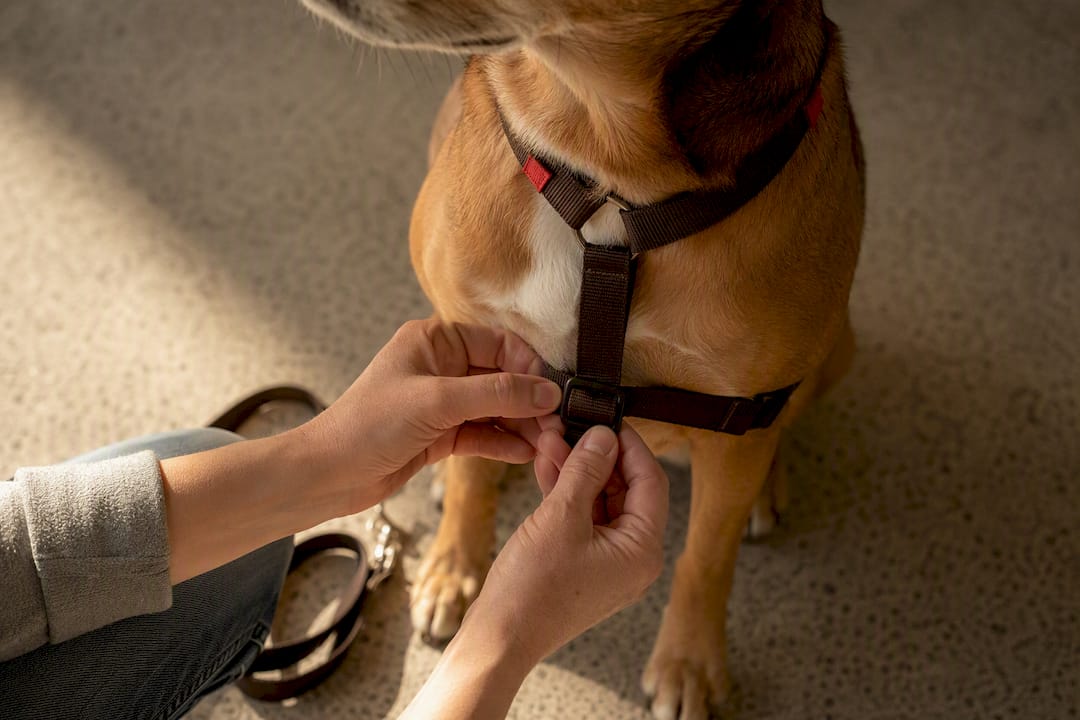
Front-clip harnesses attach the lead at the chest, so a pulling dog gets gently turned back toward you instead of dragged forward by the neck. They’re a strong first choice for most dogs, including boisterous or strong pullers.
Head halters guide the head, similar to a horse halter, giving you fine control with minimal pressure. They need a proper introduction period, as some dogs find the fit strange at first.
Martingale collars tighten slightly to prevent slipping out, useful for dogs with narrow heads like greyhounds, but they don’t address pulling on their own.
Flat collars remain fine for dogs that already walk politely and simply need ID and leash attachment.
Equipment solves the immediate management problem. Training solves the actual one. Reward-based techniques, including humane training methods that reinforce loose lead walking with treats, praise or play, build impulse control that holds up even without any equipment at all. A dog that’s been taught to check in with you at a busy junction doesn’t need a device to manage that moment; it’s learned the skill.
Pro Tip: Treat a harness or head halter as your short-term management tool while training runs in parallel. Equipment alone rarely fixes pulling long term. It’s the combination that gets you a dog who walks nicely because they’ve learned to, not because they’re braced against discomfort.
Deciding what to do next: steps and when to call in help
If your dog is currently wearing a prong collar, or you’re considering one, work through this in order rather than guessing at priorities.
Stop prolonged or unsupervised use immediately. A prong collar left on during normal daily wear, rather than brief supervised sessions, multiplies every risk covered above.
Inspect the neck thoroughly. Part the fur and check for redness, swelling, scabbing, or tenderness, particularly where the prongs sit against the skin.
Switch to a front-clip harness or head halter for walks while you sort out a longer-term plan.
Watch for red flags that need immediate professional attention: open wounds, sudden aggression, persistent coughing, gagging, or any difficulty swallowing.
Choose a trainer carefully. Look for accreditation, a genuinely humane methodology, and someone willing to do a proper assessment before recommending equipment or a plan. Ask what follow-up support looks like once initial sessions end, since behaviour change rarely finishes in one visit.
A trainer’s view on moving away from prong collars
Twenty years of working through fear, aggression and everyday leash struggles has shown one thing consistently: dogs and owners do better when discomfort isn’t the teaching tool. As an AVS-accredited trainer, I’ve seen humane transitions rebuild trust quickly, often faster than owners expect. The lifetime support we offer after training exists precisely because confidence, in both dog and handler, tends to keep growing well past the last session.
— Mark
Getting professional support for a safer transition
If your dog’s pulling, reactivity, or aggression has you reaching for a prong collar out of frustration, there’s a more reliable route. Happy-dogtraining provides personalised, evidence-based dog training plans drawing on extensive behavioural experience.

A behaviour consultation starts with a proper check for existing injury or discomfort, a full history of your dog’s triggers, and a tailored plan that includes short-term management alongside real training progress. For dogs needing structured, intensive work, the AVS-approved four-week obedience programme covers leash manners and impulse control using reward-based methods from day one. Clients may have access to support after completing a programme to assist with questions following training.
If you’re not sure which service fits your situation, visit the Happy-dogtraining homepage to see the full range of options and book an assessment. Your dog’s neck, and your walks together, will thank you for it.
Sources
Recommended
Comments