Dog alone training: short intervals that actually work
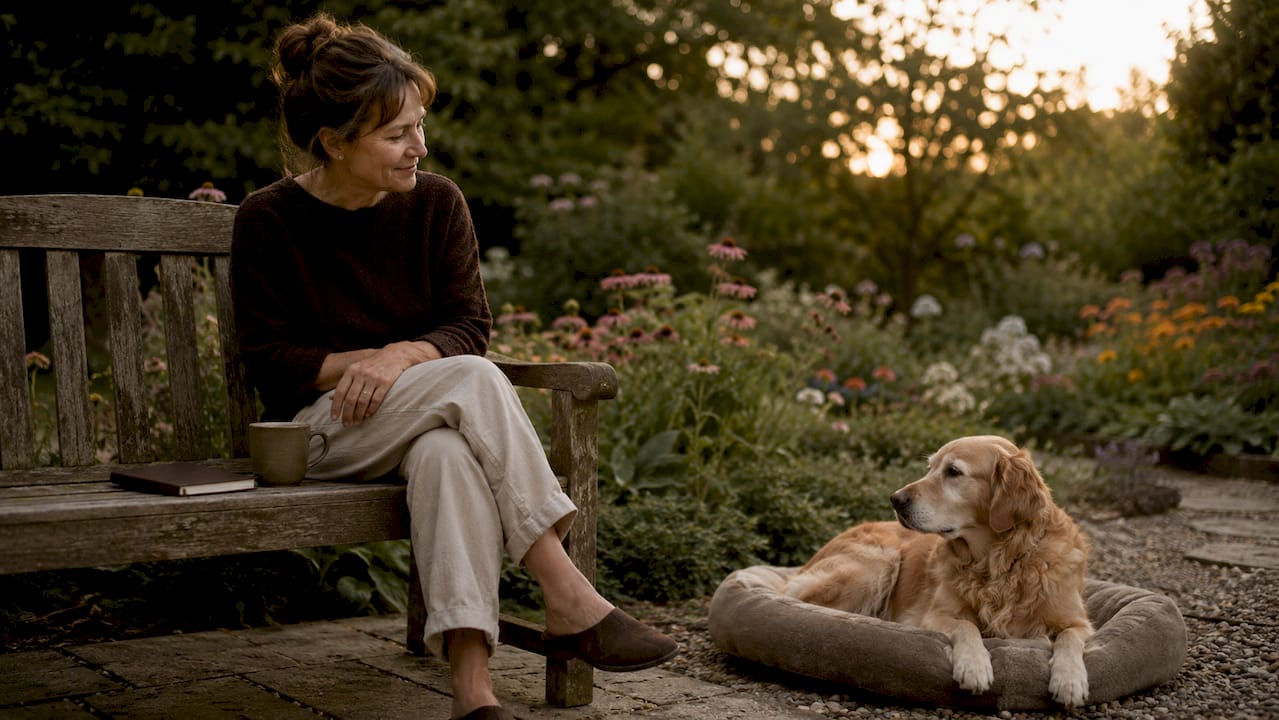
Dog alone training in short intervals is the process of gradually building your dog’s comfort with being left alone through brief, controlled absences that stay below the anxiety threshold. Known formally as systematic desensitisation, this method is the most effective science-based approach for reducing separation distress in dogs. It relies on three core tools: video monitoring, micro-absence sessions, and positive reinforcement. Done correctly, it builds genuine independence rather than simply masking distress. Most dogs require 8–16 weeks of daily training to see meaningful change, so patience from the start is non-negotiable.
What equipment do you need for dog alone training short intervals?
The right setup makes the difference between training that works and training that stalls. Before you begin a single session, gather the tools that let you observe, manage, and reward your dog accurately.
Essential equipment:
Camera or video monitor. Video monitoring is essential for observing your dog’s exact distress threshold in real time. You will miss subtle signals like lip licking or stiffening if you rely on listening alone.
Safe space or crate. Choose a consistent, comfortable area your dog already associates with rest. Avoid introducing a new crate and alone training simultaneously.
Timer. A simple phone timer keeps your sessions precise. Guessing durations leads to inconsistency.
High-value treats. Reserve these exclusively for training sessions so they retain their reward value.
Leash. Useful for managing movement during early sessions when your dog may follow you to the door.
Environment setup matters as much as equipment. The training environment should be calm, familiar, and free from stimuli that already cause stress. Close curtains if street noise triggers barking. Use a white noise machine if your building has unpredictable sounds. Consistency in the physical space helps your dog generalise calmness to that location.
Setup Element | Why It Matters |
Video monitor | Captures threshold behaviour you cannot see in real time |
Dedicated safe space | Builds a reliable calm association before absences begin |
Timer | Keeps session durations precise and repeatable |
Consistent environment | Reduces variables that could spike anxiety unexpectedly |
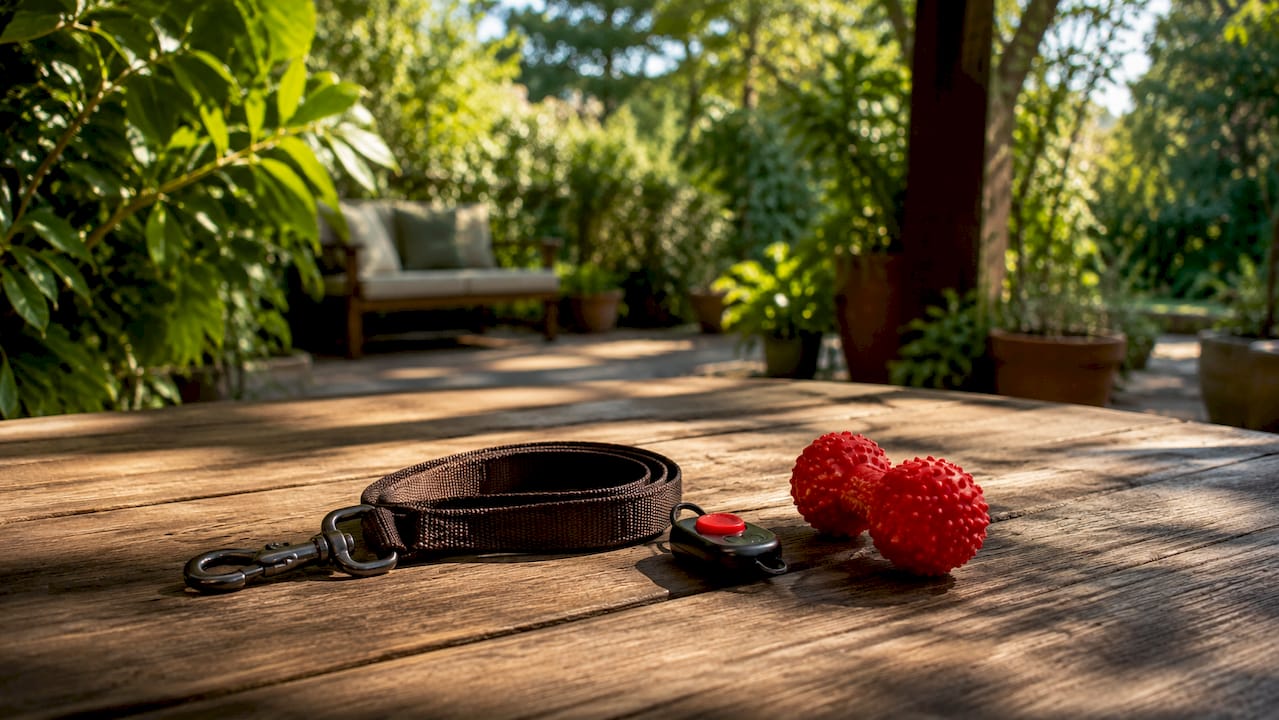
Pro Tip: Set up your camera before your first session and watch a full replay. You will often spot early stress signals, such as yawning or paw lifting, that you completely missed while you were in the room.
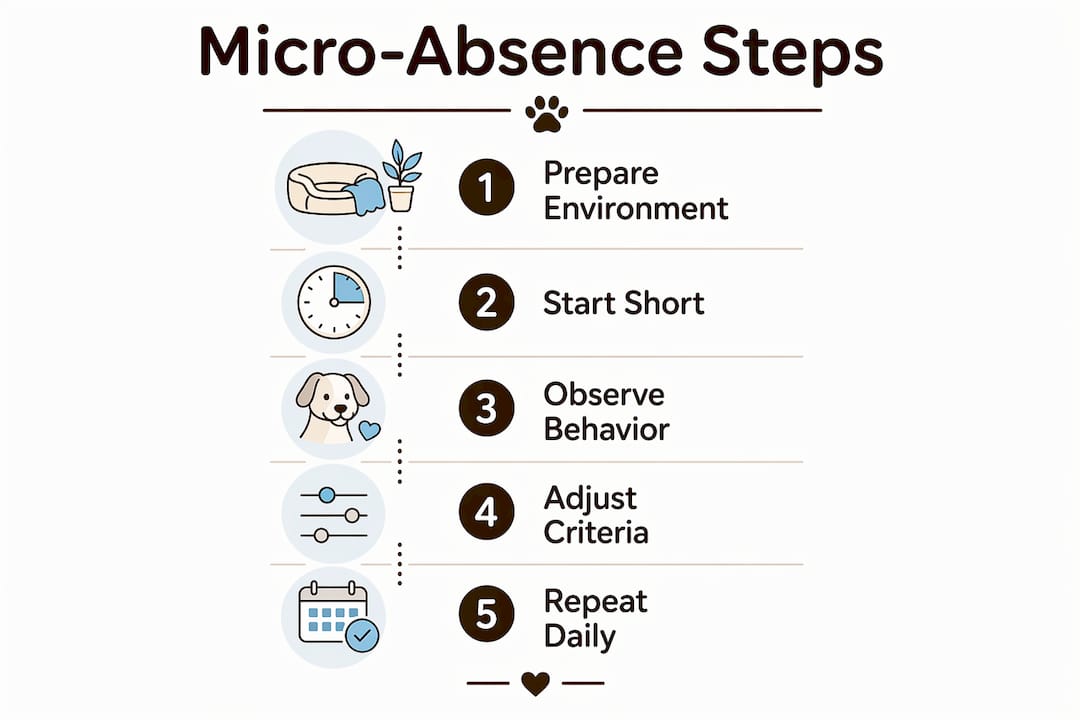
How do you implement micro-absence sessions step by step?
Micro-absence training is the practical heart of systematic desensitisation. The goal is to keep every departure below the point where your dog begins to panic. Progress is built on calm repetition, not on pushing duration.
Begin with 5–30 second absences. Step out of the room, close the door gently, and return before your dog shows any sign of distress. This is your baseline. Do not skip it, even if your dog seems relaxed.
Run multiple short sessions daily. Three to five sessions per day, each containing several micro-absences, builds learning faster than one long session. Frequency matters more than duration at this stage.
Increase duration by 10–20% only after five consecutive calm repetitions. Signs of anxiety halt progression immediately. If your dog whines on the fourth repetition, you have moved too fast.
Use cluster sets within each session. A cluster might look like this: 30 seconds out, return, 10 seconds out, return, 40 seconds out. Cluster sets of short absences keep your dog below threshold and increase learning efficiency by varying the pattern so your dog cannot predict the duration.
Desensitise departure cues separately. Pick up your keys, put them down, and sit back on the sofa. Put on your shoes, then make a cup of tea. Practising departure cues without actually leaving separates the cue from the event and reduces anticipatory anxiety before you even open the door.
Return calmly every time. Avoid excited greetings on return. A calm, quiet re-entry teaches your dog that your return is unremarkable, which is exactly what you want.
Pro Tip: If your dog shows distress within the first 30 seconds of a session, reduce the criteria immediately. Do not try to push through. A shorter, calmer session always produces better results than a longer, anxious one.
The threshold in dog training is the invisible line between calm learning and panic. Every micro-absence session is designed to keep your dog on the calm side of that line. Cross it repeatedly and you set the training back significantly.
How do you spot signs of distress during sessions?
Separation anxiety is an emotional panic disorder, not misbehaviour. Recognising distress early is the skill that separates effective training from harmful repetition.
Common signs to watch for:
Pacing near the door or around the room
Vocalisation, including whining, barking, or howling
Panting when the room temperature does not warrant it
Repeated door checking within seconds of your departure
Refusing to settle or lying down during the absence
When you spot any of these signals, the correct response is always to reduce the training criteria, not to persist. Revert to the previous successful duration. Shorten sessions. Add more exercise before the next attempt. Punishment of any kind, including raised voices or shock collars, worsens separation anxiety and destroys the trust your training depends on.
Remember: Your dog is not being difficult. Anxiety is a physiological response, not a choice. Your job is to make the world feel safe, one short absence at a time.
Video monitoring gives you objective data that your instincts cannot. Watching a replay of your dog’s behaviour during a 45-second absence often reveals stress signals that began at the 15-second mark. That information tells you exactly where to set your next session’s duration. Without it, you are guessing.
Does exercise help your dog cope with alone time?
Physical and mental enrichment before a training session lowers your dog’s baseline arousal, which makes calm behaviour during absences far more achievable. Exercise and mental stimulation before alone time greatly aid in reducing anxiety, though they cannot replace systematic desensitisation training. Think of exercise as preparation, not a solution.
Enrichment activities that support alone time training:
A brisk 20-minute walk or off-lead run timed close to the training session
Scent games such as hiding treats around the garden before you begin
Short obedience practice using marker training to focus your dog’s mind
Calm chew sessions with a long-lasting treat your dog already enjoys
One important caution: food puzzles can become poisoned cues in anxious dogs. If your dog has learned that a Kong or puzzle toy signals your departure, they may refuse to engage with it or show increased anxiety when it appears. Introduce enrichment items only once your dog is reliably calm during absences. Build the calm first, then layer in the enrichment.
Pro Tip: Time your dog’s main exercise session 30–45 minutes before a training session. This gives arousal levels time to settle while keeping your dog physically tired enough to rest during absences.
The 7 essential dog enrichment activities recommended by pet care specialists include scent work, foraging games, and structured play, all of which complement alone time training without adding stress.
What should you do when alone training hits a plateau?
Plateaus are a normal part of gradual alone training for dogs. Progress in systematic desensitisation rarely moves in a straight line. Expecting setbacks helps you respond to them calmly rather than abandoning the process.
Common challenges and how to address them:
Progress stalls at a specific duration. Shuffle your absence lengths rather than pushing longer. Varying between 30, 20, and 45 seconds within a session often breaks the plateau without triggering anxiety.
Pre-departure anxiety returns. Return to cue desensitisation. Owners often underestimate how departure cues trigger anticipatory anxiety. Spend a full week on cue isolation before resuming absence duration increases.
Dog regresses after a stressful event. A house move, a new pet, or a change in routine can reset progress. Drop back two steps and rebuild from a shorter duration baseline.
Training fatigue sets in. Both you and your dog can experience training fatigue during prolonged programmes. Reduce session frequency temporarily and reintroduce gradually.
Situation | Recommended Response |
Distress at current duration | Revert to previous successful duration immediately |
Plateau with no progress | Shuffle durations; avoid pushing longer |
Pre-departure anxiety spike | Restart cue desensitisation for one week |
Severe or persistent anxiety | Seek veterinary advice and professional behaviourist support |
Severe separation anxiety cases may require veterinary input alongside training. Anti-anxiety medication prescribed by a vet can lower baseline arousal enough for training to take hold. This is not a failure. It is a practical, welfare-focused decision that gives your dog the best chance of success. Customising your training plan to your dog’s specific pace and triggers is always more effective than following a rigid schedule.
Key takeaways
Systematic desensitisation using micro-absence sessions, video monitoring, and consistent positive reinforcement is the most effective method for building a dog’s comfort with being left alone.
Point | Details |
Start with micro-absences | Begin at 5–30 seconds and increase by 10–20% only after five calm repetitions. |
Use video monitoring | Camera footage reveals distress signals you will miss in real time. |
Desensitise departure cues | Practise picking up keys and shoes without leaving to reduce anticipatory anxiety. |
Exercise before sessions | Physical activity lowers baseline arousal and supports calmer absences. |
Expect plateaus | Shuffle durations and revert to easier steps rather than pushing through distress. |
What i have learned from years of short-interval alone training
The single biggest shift I have seen in my own work with dogs is what happens when owners start using video monitoring properly. Before cameras became affordable and easy to use, owners would report that their dog “seemed fine” during a 10-minute absence. Then we would watch the footage together and see the dog pacing from the second minute onwards. That gap between perception and reality was setting training back by weeks.
Patience is not a soft skill in this work. It is the technical requirement. Owners who accept that progress takes 8–16 weeks from the start tend to stay consistent. Those who expect results in a fortnight push too fast, trigger anxiety, and then conclude that training does not work for their dog.
The other thing I would tell every owner is to celebrate the small wins genuinely. A dog that used to panic at 10 seconds sitting calmly through 45 seconds is a real achievement. That dog’s nervous system has changed. Recognising that keeps you motivated through the slower weeks.
This process benefits you as much as your dog. Knowing that your dog is calm at home, confirmed by video, gives you a quality of peace of mind that no amount of hoping can provide.
— Mark
Ready to get professional support for your dog’s alone time?
If your dog’s separation distress is severe, persistent, or simply not responding to home training, professional guidance makes a significant difference.
Happy-dogtraining has over 20 years of experience working with dogs across the full spectrum of separation anxiety, from mild restlessness to full panic responses. The AVS-accredited programme uses humane, science-based methods tailored to your individual dog’s needs, with free lifetime support included after training. Whether you need a structured private training programme or a more intensive option, the team at Happy-dogtraining will build a plan that works for your dog and your lifestyle. You do not have to figure this out alone.
FAQ
How long should each alone training session last?
Each session should contain multiple micro-absences rather than one long absence. Keep individual sessions to 10–15 minutes total, with absences ranging from 5 seconds to a few minutes depending on your dog’s current threshold.
What is the fastest way to build a dog’s alone time tolerance?
The fastest method is consistent daily practice using cluster sets of varied short absences, combined with departure cue desensitisation. Pushing duration too quickly slows progress by triggering anxiety and resetting the training.
Can i use treats to help my dog during alone training?
Treats work well as rewards on your return during early sessions. Avoid leaving food puzzles or Kongs as a distraction until your dog is reliably calm, as food items can become associated with your departure and increase anxiety.
When should i seek professional help for separation anxiety?
Seek professional support if your dog shows severe distress within the first 30 seconds of any absence, if progress has stalled for more than three weeks, or if your dog is causing injury to themselves or significant property damage.
How do i know if my dog is improving?
Improvement shows as your dog remaining settled for longer durations without pacing, vocalising, or door checking. Video monitoring gives you objective confirmation of progress that your own observations during training cannot provide.
Recommended
Comments