Why dogs regress in training: causes and fixes
- Mark McDade
- 4 days ago
- 8 min read
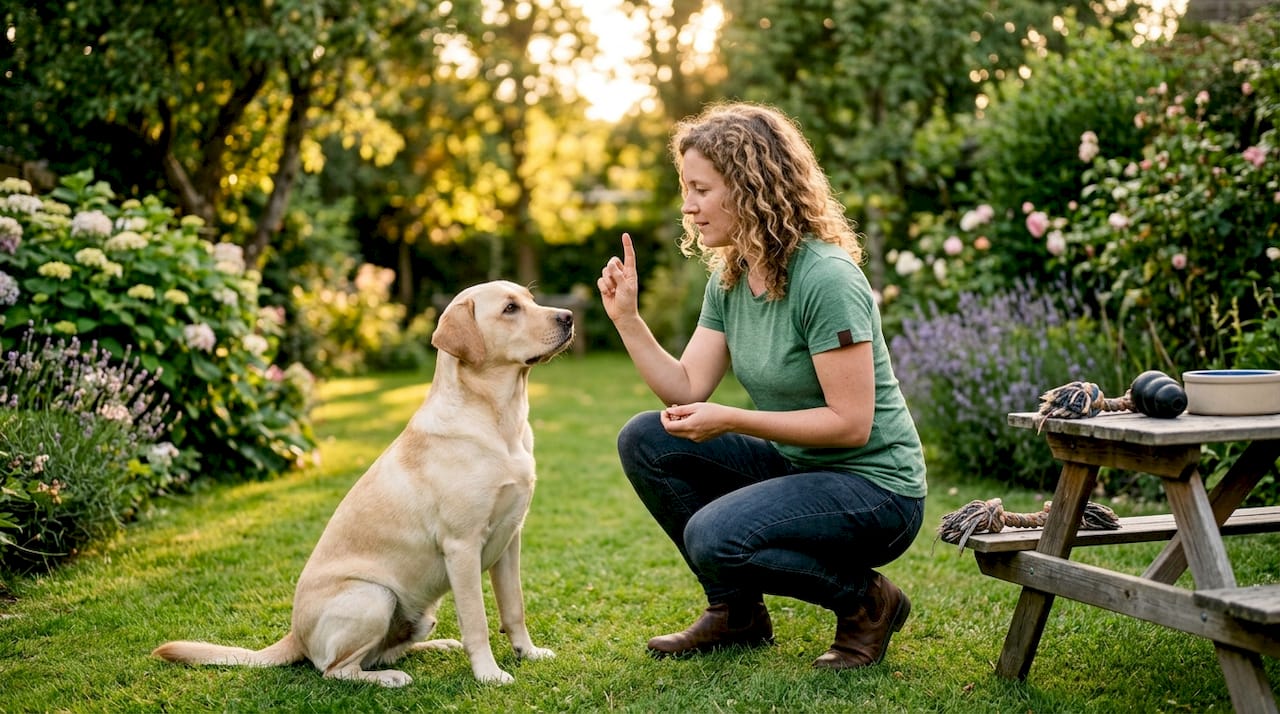
Training regression is defined as a temporary loss of previously learned behaviours, where a dog that once responded reliably to commands suddenly seems to forget them. This is far more common than most owners realise. 74% of dog owners face the need to retrain their dog at some point, most often because of inconsistent reinforcement or what trainers call “skill drift.” The adolescent phase, spanning roughly 6 to 18 months of age, is one of the most well-documented drivers of this pattern. Understanding why dogs regress in training is the first step toward fixing it with confidence and kindness.
What causes dogs to regress in training?
Dog behaviour regression is rarely a sign that your dog has forgotten everything. It is usually a sign that something in the dog’s world, or your training routine, has shifted.
Developmental phases and hormonal change
The adolescent phase in dogs brings genuine neurological and hormonal restructuring. Dogs in adolescence respond less reliably to cues compared to puppyhood or adulthood, not because they are being stubborn, but because their brains are literally rewiring. Impulse control drops, distractibility rises, and the reliable “sit” that worked at eight weeks may feel like a distant memory by month nine. This phase is temporary, but it requires adjusted expectations and patience.
Skill drift from inconsistent reinforcement
Skill drift is a gradual erosion of trained behaviours caused by intermittent reinforcement and inconsistency. When rewards become unpredictable or commands go unreinforced for weeks, dogs stop treating those cues as reliable signals worth responding to. Think of it like a muscle that weakens without regular use. The behaviour does not disappear entirely; it simply becomes less reliable.
Environmental triggers and changing routines
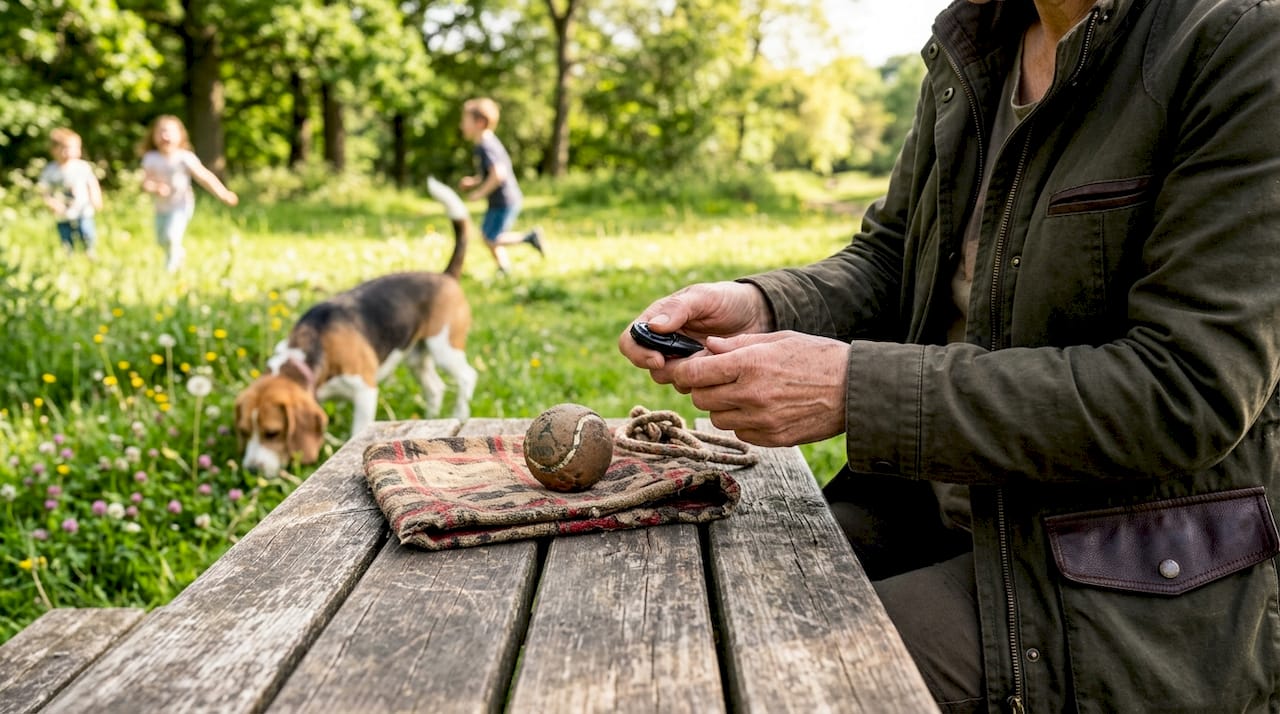
Dogs do not generalise learned commands across different environments without additional practice and reinforcement. A dog that sits perfectly in your living room may appear to “unlearn” the command the moment you take him to a busy park. New environments, changes in the household, a new baby, or even a shift in your daily schedule can all trigger what looks like a training setback. These are not causes of dog training failure; they are signals that the dog needs more practice in new contexts.
Lifestyle and unmet needs
Behavioural problems and apparent training failures often originate from unmet needs such as insufficient exercise or mental stimulation. A dog that is under-exercised or bored will struggle to focus during training sessions. This can look like regression when it is actually a lifestyle issue. Addressing training setbacks at home often starts with reviewing the dog’s daily routine before adjusting the training plan itself.
“Before blaming the training, ask whether the dog’s physical and mental needs are being met. A tired, fulfilled dog is a trainable dog.”
How do owner behaviours contribute to training setbacks?
Owners are often the unintentional cause of their dog’s regression. The good news is that these patterns are easy to identify and correct once you know what to look for.
Repeating commands multiple times. Repeating a command teaches the dog that obedience is optional. If you say “sit, sit, sit” before the dog responds, you are training him to wait for the third repetition. Say the command once, wait, and reward the correct response.
Inconsistency across family members. Inconsistent rules and rewards across household members create confusion that effectively resets a dog’s learning progress. Dogs learn by pattern recognition. When one person allows jumping on the sofa and another does not, the dog cannot form a reliable pattern. Every person in the household must follow the same rules.
Inadvertently rewarding unwanted behaviours. Giving attention, even negative attention, to a dog that barks or jumps reinforces that behaviour. Dogs repeat what works. If barking gets a reaction, barking becomes the strategy.
Projecting frustration onto the dog. Dogs mirror their owner’s emotional state and anxiety. When you approach a training session tense or frustrated, your dog picks up on that energy and becomes less confident and less responsive. Owner emotional regulation is a genuine training tool.
Pro Tip: If a session is going badly, end it on a simple success. Ask for something your dog does reliably, reward it warmly, and stop there. Ending on a win protects your dog’s confidence and your own.
What practical strategies can help you fix training regression?
The most effective approach to fixing dog behaviour regression combines a structured reset, daily maintenance, and household consistency.
The three-step reset process
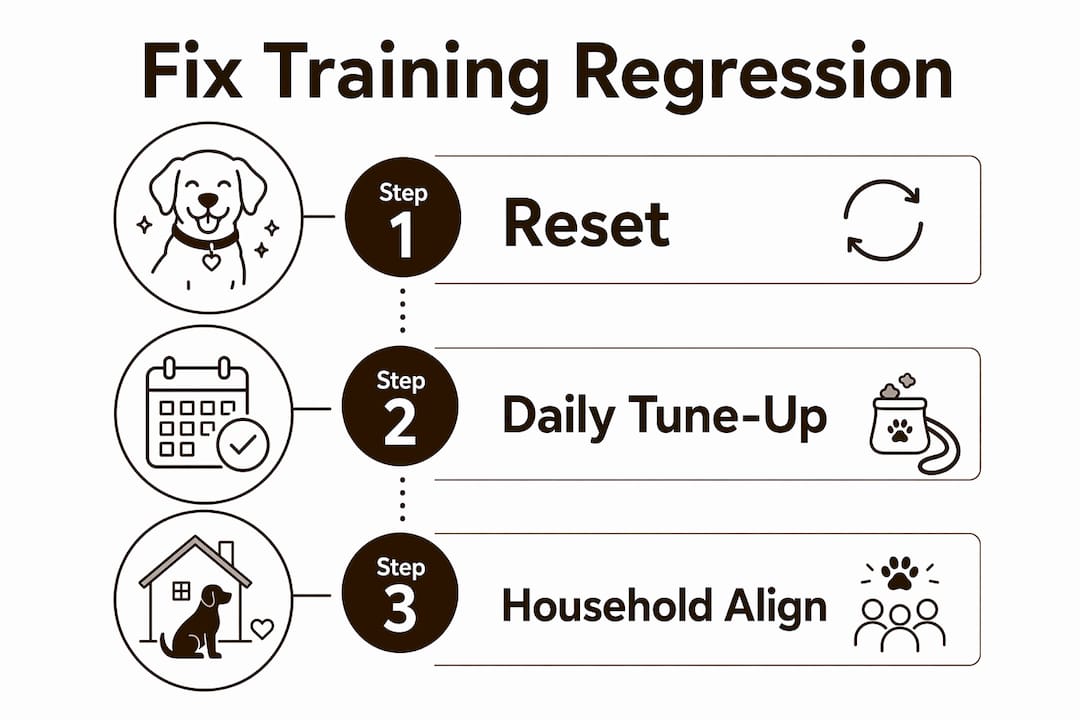
A 3-step reset process is the recommended starting point when regression appears. The steps are straightforward.
Lower the task difficulty. Go back to basics. If your dog is struggling with “stay,” practise a one-second stay before building duration again. Success at an easier level rebuilds confidence and reinforces the habit of responding.
Shorten sessions to five minutes. Long sessions during a regression phase increase frustration for both dog and owner. Brief, focused sessions produce better results and keep the experience positive.
Regulate your own emotional state. Approach each session calm and upbeat. Your dog reads your body language before you say a single word.
When addressed promptly with this reset, most regressions resolve within 3–5 days. If there is no meaningful improvement after a month, professional guidance is advisable.
Daily tune-up sessions to prevent skill drift
Daily brief training sessions of around ten minutes help prevent skill drift and support long-term retention of commands. These are not full training sessions. They are light, positive check-ins that keep your dog’s skills sharp. Practise known commands in different rooms, in the garden, and on walks to build generalisation.
Household alignment
Every member of the household must use the same cues, the same rules, and the same reward system. Write down the key rules and share them with everyone who interacts with the dog. This single step eliminates one of the most common causes of dog training failure.
Strategy | When to use it |
Three-step reset | At the first sign of regression in a known behaviour |
Daily tune-up sessions | Ongoing, every day, to maintain trained skills |
Household rules document | From day one, updated whenever training goals change |
Professional consultation | After one month with no improvement despite consistent effort |
Pro Tip: Practise commands in at least three different locations each week. Dogs that only train indoors often appear to “forget” everything the moment they step outside.
How does adolescence affect a dog’s training and behaviour?
The adolescent phase is the single most misunderstood period in a dog’s life. Many owners interpret it as defiance or a training failure when it is, in fact, a predictable biological event.
During adolescence, a dog’s brain undergoes significant restructuring. Hormonal surges affect mood, focus, and impulse control. The prefrontal cortex, which governs decision-making and self-regulation, is still developing. This is why a dog that seemed to have mastered puppy training fundamentals at twelve weeks can appear to regress sharply at seven or eight months.
Typical behaviours during this phase include:
Ignoring previously reliable cues, especially in distracting environments
Testing boundaries by jumping, pulling on the lead, or refusing to settle
Shorter attention spans and difficulty focusing during sessions
Increased reactivity to other dogs, people, or sounds
The key insight is that these behaviours are neurologically driven, not wilful. Punishing a dog for adolescent behaviour does not address the cause and can damage the trust you have built. Reward-based training, shorter sessions, and realistic expectations are the right tools for this phase. Patience is not optional; it is the method.
Statistic callout: Dogs in the adolescent phase (6–18 months) respond less reliably to trained cues than they did as puppies, a pattern confirmed by research into adolescent dog behaviour. This is a temporary phase, not a permanent change.
Key takeaways
Dog behaviour regression is a normal, temporary phase caused by developmental changes, inconsistent reinforcement, and environmental factors, and it resolves fastest when owners reset their approach with structure, patience, and household consistency.
Point | Details |
Regression is normal | 74% of owners face retraining needs; it signals a need to adjust, not start over. |
Adolescence is a key driver | Hormonal and neurological changes between 6–18 months reduce cue reliability temporarily. |
Owner habits matter | Repeating commands and inconsistent rules are leading causes of training setbacks. |
The reset works | Lowering difficulty, shortening sessions, and staying calm resolves most regressions in 3–5 days. |
Daily practice prevents drift | Ten-minute tune-up sessions maintain skills and stop regression before it starts. |
What I have learned from watching owners and dogs work through regression
After years of working with dogs and their owners, the pattern I see most often is this: the dog is not the problem. The environment around the dog has changed, and nobody noticed.
Owners come to me convinced their dog has “gone backwards” or “forgotten everything.” What I actually see is a dog whose household rules have quietly shifted, whose daily walks have shortened, or whose training sessions have drifted from five minutes of focused reward-based training to occasional, half-hearted repetitions. The dog has not regressed. The training has.
The other thing I see consistently is the emotional toll regression takes on owners. They feel embarrassed, frustrated, and sometimes guilty. That frustration is completely understandable. But it is worth knowing that a tense owner makes a less confident dog. The moment you walk into a session with calm, clear expectations, your dog’s responsiveness often improves before you have done anything else.
The owners who recover fastest from regression share one trait: they treat it as information, not failure. They ask “what has changed?” rather than “what is wrong with my dog?” That shift in thinking changes everything. Consistency, short sessions, and genuine warmth are not soft options. They are the most effective tools available, backed by decades of home obedience training research and practice.
If you are in the middle of a regression right now, take a breath. You have not lost the progress you made. You just need to find it again, one small success at a time.
— Mark
When professional support makes the difference
If your dog’s training setbacks have persisted for more than a month despite your best efforts, a structured programme with a qualified trainer can reset progress far more quickly than solo troubleshooting.

Happy-dogtraining has over 20 years of experience helping Singapore dog owners work through behaviour regression, skill drift, and obedience challenges. The 4-week AVS-approved intensive programme is built specifically for dogs that need a structured reset, using science-based, reward-based training methods tailored to each dog’s needs. Every client receives free lifetime support after training, so you are never left managing setbacks alone. If your dog’s regression involves fear or reactivity, Happy-dogtraining also offers specialist consultations to address those specific challenges with care and expertise.
FAQ
What does training regression mean in dogs?
Training regression is when a dog temporarily loses reliability in previously learned behaviours. It is caused by factors such as inconsistent reinforcement, developmental changes, or environmental shifts, and is not a sign of permanent failure.
How long does dog training regression last?
Most regressions resolve within 3–5 days when addressed with a structured reset that lowers task difficulty, shortens sessions, and maintains calm, consistent reinforcement.
Why does my dog listen at home but not outside?
Dogs do not automatically generalise commands across environments without additional practice in each new setting. Practising known commands in multiple locations builds the reliability you want outdoors.
Is the adolescent phase the main cause of regression?
The adolescent phase (6–18 months) is one of the most common drivers of regression due to hormonal and neurological changes that reduce impulse control and focus. It is temporary and manageable with adjusted training expectations.
When should I seek professional help for training regression?
Seek professional guidance if there is no meaningful improvement after one month of consistent, structured effort. A qualified trainer can identify the root cause and rebuild progress efficiently.
Recommended
Comments